Summary
The best places to visit in France include Paris, Nice, Provence, Normandy, the Loire Valley, Lyon, Bordeaux, Strasbourg, and the French Alps. This guide explores what makes each destination worth visiting, the best places to choose for different types of holidays, recommended stays, and practical travel tips for UK travellers planning a holiday in France.
From the UK, a trip to France can turn a short journey into a completely different kind of holiday. You could leave London in the morning, arrive in Paris before lunch and spend the afternoon beside the Seine. Then, a few days later, you could be walking through lavender fields in Provence, eating seafood beside the Mediterranean in Nice or exploring medieval streets in Normandy.
However, France is far bigger than Paris.
From Atlantic beaches and historic cities to Alpine villages and Mediterranean coastlines, the best places in France depend largely on the type of holiday you want.
With that in mind, this guide explores the best places to visit in France in 2026, with practical ideas for UK travellers planning everything from a long weekend to a two-week French adventure.

The Best Places to Visit in France at a Glance
| Destination | Best for | Suggested stay |
|---|---|---|
| Paris | First-time visitors, culture and landmarks | 3–4 days |
| Nice & French Riviera | Beaches, sunshine and day trips | 3–5 days |
| Provence | Villages, food and countryside | 4–6 days |
| Normandy | History, coastline and road trips | 2–4 days |
| Loire Valley | Châteaux and countryside | 2–3 days |
| Mont Saint-Michel | Medieval architecture and scenery | 1–2 days |
| Lyon | Food, culture and history | 2–3 days |
| Bordeaux | Wine, food and architecture | 2–3 days |
| Strasbourg & Alsace | Architecture and Christmas markets | 2–3 days |
| French Alps | Skiing, hiking and mountain scenery | 3–5 days |
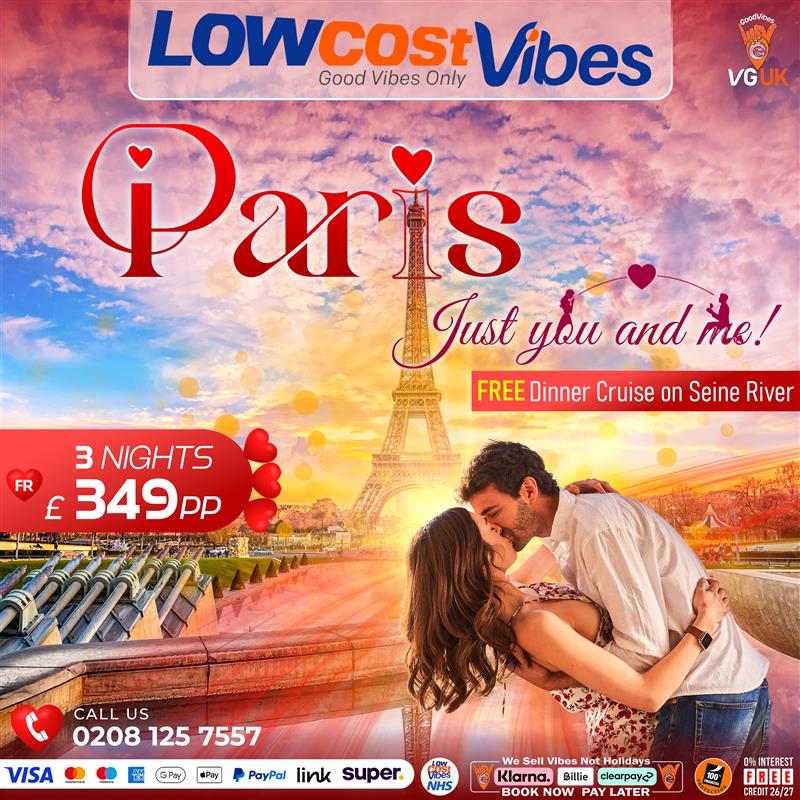
1. Paris – One of the Best Places to Visit in France
Paris is the obvious starting point for many British visitors. And for good reason.
Arrive at Gare du Nord from London and, within minutes, you can be walking towards cafés, grand boulevards and the banks of the Seine. The Eiffel Tower appears above the rooftops, while neighbourhoods such as Montmartre and Le Marais invite you to forget the itinerary and simply wander.
For a first trip to France, Paris offers an enormous amount in a relatively small area. As a result, you can experience famous landmarks, museums, food and neighbourhood life without needing to hire a car.
What should you see in Paris?
Make time for:
- Eiffel Tower
- Louvre Museum
- Notre-Dame Cathedral
- Musée d’Orsay
- Montmartre and Sacré-Cœur
- Arc de Triomphe
- Champs-Élysées
- Seine riverbanks
- Le Marais
Notre-Dame is particularly significant for visitors in 2026. Following the 2019 fire, the cathedral reopened to the public in December 2024.
What’s more, Paris is one of the easiest French destinations to reach from London by rail. Eurostar currently advertises direct London–Paris journeys in around 2 hours 16 minutes, making the capital particularly practical for a short break.
Best for: first-time visitors, couples, families, museums, food and weekend breaks.
UK traveller tip: Paris is one of the easiest destinations in France for a three- or four-day trip without hiring a car.

2. Nice and the French Riviera – Best Places to Visit in France for Sunshine
Meanwhile, leave Paris behind and travel south.
The architecture changes, palm trees appear and the Mediterranean opens out in front of you.
Nice is one of the best places to visit in France if you want a holiday that combines beaches, culture, food and easy day trips.
To begin with, explore Vieux-Nice, wander through its colourful streets and visit the Cours Saleya market. Afterwards, walk along the famous Promenade des Anglais before watching the sunset over the Baie des Anges.
The Promenade des Anglais stretches for around 7 kilometres, while Nice is also recognised as a UNESCO World Heritage site.
What other places to visit from Nice?
Better still, Nice is an excellent base for exploring the French Riviera.
Consider day trips to:
- Èze
- Monaco
- Menton
- Antibes
- Cannes
- Saint-Paul-de-Vence
As a result, you can enjoy several different sides of the Riviera without constantly changing hotels.
Best for: sunshine, beaches, couples, food and coastal holidays.

3. Provence – One of the Best Places in France for Countryside
Further south, Provence feels different again.
Here, the pace slows down. Instead of rushing between major attractions, you can spend a morning exploring a village, stop for lunch in a local restaurant and continue towards vineyards or lavender fields in the afternoon.
The region is known for its villages, olive groves, vineyards, Mediterranean landscapes and lavender fields. In addition, official French tourism information highlights places including Avignon, Arles, Les Baux-de-Provence, the Luberon and the landscapes around Mont Ventoux.
What are the best places to visit in Provence?
Consider:
- Avignon
- Aix-en-Provence
- Arles
- Gordes
- Roussillon
- Les Baux-de-Provence
- Luberon villages
- Gorges du Verdon
If lavender is high on your list, summer is the time to plan around. However, flowering varies by location and weather, so check local conditions rather than relying on one fixed date.
Best for: road trips, countryside, food, wine, photography and romantic holidays.

4. Normandy – One of the Best Places to Visit in France for History
For UK travellers, Normandy has a particularly strong connection with British history.
Cross the Channel and you arrive in a region where dramatic cliffs, fishing towns and green countryside sit alongside some of Europe’s most important Second World War sites.
The D-Day beaches include:
- Utah Beach
- Omaha Beach
- Gold Beach
- Juno Beach
- Sword Beach
At the same time, there is much more to Normandy than wartime history. Explore Bayeux, Honfleur, Rouen, Étretat and the elegant seaside resort of Deauville.
Importantly for 2026, the Beaches of the D-Day Landings, Normandy, 1944 were added to the UNESCO World Heritage List, giving the historic landscape further international recognition.
Best for: history, families, road trips, food and coastal scenery.
5. The Loire Valley – Best French Destination for Castles
If your idea of France involves grand castles, gardens and quiet countryside, head for the Loire Valley.
Here, you can spend the morning exploring a Renaissance château and the afternoon cycling through vineyards and villages.
Some of the best-known châteaux include:
- Château de Chambord
- Château de Chenonceau
- Château de Villandry
- Château d’Amboise
In addition, the Loire Valley between Sully-sur-Loire and Chalonnes is a UNESCO World Heritage cultural landscape.
The region is particularly well suited to a driving holiday. That means you have the freedom to stop at smaller villages, gardens and estates along the way rather than following a strict itinerary.
Best for: families, couples, castles, history and road trips.

6. Mont Saint-Michel – One of the Most Unforgettable Places to Visit in France
Then there is the sight that looks almost unreal.
A medieval island rises from the bay, crowned by its historic abbey.
Mont Saint-Michel is one of the most recognisable landmarks in France and a natural addition to a Normandy itinerary.
The Mont-Saint-Michel and its Bay have been UNESCO-listed since 1979.
Rather than rushing in, visiting the abbey and leaving, allow yourself time to explore the narrow medieval streets and watch the landscape change with the tides.
For this reason, Mont Saint-Michel works particularly well for travellers who want a destination that feels completely different from the country’s major cities.
Best for: couples, history, photography and first-time visitors.

7. Lyon – One of the Best Places in France for Food
Paris might be France’s most famous city, but Lyon is the destination to consider if food is one of your main reasons for travelling.
Set between the Rhône and Saône rivers, Lyon combines historic neighbourhoods, Roman heritage and a famous culinary tradition.
First, explore Vieux Lyon and discover the city’s traboules. Then, climb towards Fourvière for views across the rooftops.
Afterwards, sit down for a traditional meal in one of Lyon’s bouchons.
Best for: food lovers, culture, history and city breaks.

8. Bordeaux – Best Place to Visit in France for Wine Lovers
When it comes to wine, Bordeaux is an obvious choice.
The destination is especially appealing because the city and surrounding countryside work together so well.
Spend the morning walking along the Garonne, exploring the historic centre and visiting the Cité du Vin. Later, head beyond the city towards vineyards and historic wine-producing villages.
The historic centre of Bordeaux, known as the Port de la Lune, is a UNESCO World Heritage site.
Nearby, Saint-Émilion is another popular stop, particularly for travellers interested in wine and historic villages.
However, you don’t have to be a wine expert to enjoy Bordeaux. The city itself offers excellent food, markets, architecture and riverside walks.
Best for: food, wine, couples and relaxed city breaks.

9. Strasbourg and Alsace – Beautiful Places to Visit in France
Further east, Strasbourg feels unlike many other French cities.
Canals wind through historic neighbourhoods, timber-framed buildings line the streets and French and German influences appear throughout the architecture and food.
To begin with, explore Petite France, visit Strasbourg Cathedral and walk through the historic centre.
During December, the city becomes particularly popular for its Christmas markets.
You can also use Strasbourg as a base for exploring Alsace, including Colmar and the region’s wine villages.
As a result, the area works well for both short city breaks and longer regional trips.
Best for: Christmas markets, architecture, couples, food and winter breaks.

10. The French Alps – Best Places to Visit in France for Mountain Adventures
Finally, France’s landscapes become dramatically different when you head towards the Alps.
Chamonix is one of the best-known mountain destinations, sitting beneath Mont Blanc and offering access to spectacular Alpine scenery. Nearby Chambéry, the historic capital of Savoie, is another great base, within easy reach of ski resorts like Courchevel, Méribel and Val d’Isère.
During winter, the region attracts skiers and snowboarders. However, once summer arrives, hiking, cycling and mountain excursions take over.
The French Alps are therefore worth considering even if skiing isn’t your thing.
Best for: outdoor adventures, skiing, hiking, families and nature.

What Other Places to Visit in France Are Worth Visiting?
The destinations above cover many of the most popular travel styles. Nevertheless, there are plenty of other places to consider if you want to explore beyond the main highlights.
Marseille – A Mediterranean Place to Visit in France
A lively Mediterranean city with the Vieux-Port, Notre-Dame de la Garde and access to the Calanques.
Annecy – One of the Prettiest Places in France
A beautiful Alpine lakeside destination known for its canals, cycling routes and mountain backdrop.
Carcassonne – A Historic Place to Visit in France
A spectacular fortified medieval city in southern France, particularly appealing to history lovers.
Cannes – A Famous French Riviera Destination
Known for the Croisette, the Cannes Film Festival and its location on the French Riviera.
Corsica – One of the Best Places in France for Nature
A Mediterranean island offering beaches, mountains, coastal villages and hiking.
Which Are the Best Places to Visit in France for Your Holiday?
| Your holiday style | Best destination |
|---|---|
| First trip to France | Paris |
| Weekend from London | Paris |
| Beach holiday | Nice & French Riviera |
| Romantic escape | Provence or Nice |
| History | Normandy |
| Castles | Loire Valley |
| Food | Lyon |
| Wine | Bordeaux |
| Christmas markets | Strasbourg |
| Mountains | French Alps |
| Medieval scenery | Mont Saint-Michel or Carcassonne |
| Mediterranean island | Corsica |
| Countryside road trip | Provence or Loire Valley |
How Long Do You Need to Visit France?
The answer depends on how much of the country you want to see. Fortunately, France works well for everything from a short city break to a two-week adventure.
3–4 days – Choose One of the Best Places to Visit in France
Choose Paris.
You can see the major sights while still leaving time to enjoy the city rather than simply ticking attractions off a list.
7 days – Combine Two French Destinations
For a week-long trip, combine Paris with one nearby region.
Good combinations include:
- Paris + Normandy
- Paris + Loire Valley
- Paris + Champagne
- Paris + Lyon
10 days – Explore More Places in France
With ten days, you can combine two distinct regions without making the trip feel like a race.
For example:
Paris → Lyon → Provence
or
Paris → Normandy → Mont Saint-Michel → Loire Valley
14 days – Take a Longer French Adventure
Finally, two weeks allows a longer journey south.
A route such as:
Paris → Lyon → Provence → Nice
works particularly well if you want cities, food, countryside and Mediterranean scenery in one holiday.
When Is the Best Time to Visit France?
There isn’t one perfect season for the whole country.
Because France stretches from the English Channel to the Mediterranean and the Alps, the best time depends on where you’re going.
| Time of year | Particularly good for |
|---|---|
| March–April | Spring city breaks |
| May–June | Exploring most of France |
| July–August | Beaches, mountains and summer holidays |
| September | Provence, Riviera and wine regions |
| October | Cities, food and autumn scenery |
| November | Quieter city breaks |
| December | Christmas markets and Alpine resorts |
For many UK travellers, May, June and September offer a useful balance between pleasant conditions and avoiding the busiest part of the summer season.
How Can UK Travellers Reach the Best Places to Visit in France?
One of France’s biggest advantages for British travellers is its accessibility. Whether you prefer rail, road, ferry or air travel, there is usually a practical option.
By Eurostar
London to Paris is one of Europe’s easiest international rail journeys. Eurostar currently lists direct journeys at around 2 hours 16 minutes.
As a result, Paris is particularly convenient for a long weekend.
By Ferry
Ferries from southern England connect with northern French ports, making them useful for travellers who want to take a car.
This is especially practical for road trips through Normandy, Brittany and the Loire Valley.
By Plane
Flying can make sense when your destination is further south or west, particularly for trips to Nice, Marseille, Bordeaux or Toulouse.
Alternatively, rail connections can make some southern destinations possible without flying, particularly when you are happy to connect in Paris.
By Car
Driving gives you the most flexibility once you leave the major cities.
For a first road trip, choose one region rather than attempting to cross the entire country.
What Do UK Travellers Need to Know Before Visiting France in 2026?
British citizens can currently visit France without a visa for tourism for up to 90 days in any 180-day period, provided they meet the applicable entry requirements.
Before travelling, check that your passport meets the Schengen entry requirements and has the required validity.
What Is the EES?
The EU Entry/Exit System (EES) is being used at the external borders of participating European countries. From 10 April 2026, the system became fully operational across the participating countries, replacing traditional passport stamping with digital records for applicable non-EU short-stay travellers.
Consequently, British travellers should allow extra time at the border, particularly during busy travel periods.
Will UK Travellers Need ETIAS?
Not yet.
As of September 2026, ETIAS is not operational. Instead, the EU currently expects the system to start in the last quarter of 2026. Once operational, British citizens travelling visa-free to France will need an ETIAS travel authorisation for applicable short stays. The current EU application fee is €20.
Because the launch arrangements can change, check the official EU and UK government guidance before travelling.
How to Choose the Best Places to Visit in France
The easiest way is to start with the type of holiday you want.
For a first trip to France, Paris is the obvious choice.
Meanwhile, if sunshine and the sea are your priority, head to Nice and the French Riviera.
For those who prefer villages, food and countryside, Provence is an excellent option.
When history is the main attraction, Normandy is hard to beat.
If you’re travelling with children, the Loire Valley offers a wonderful mix of castles, gardens and countryside.
When it comes to food, Lyon is hard to beat.
For wine lovers, Bordeaux is an excellent choice.
Meanwhile, anyone looking for mountains and outdoor adventures should consider the French Alps.
Finally, if you want somewhere that feels as though it has stepped straight out of a storybook, put Mont Saint-Michel on your list.
Final Thoughts: Which of the Best Places to Visit in France Should You Choose?
France is not a country you need to rush through.
Instead, its appeal lies in how dramatically the experience can change from one region to another.
One trip might begin with coffee beside the Seine and end with dinner overlooking the Mediterranean. Another, meanwhile, could take you from D-Day beaches to medieval villages, or from Renaissance châteaux to vineyards.
For UK travellers, the country’s proximity makes those experiences particularly accessible. France can be a quick weekend escape or the beginning of a much longer European adventure.
So, rather than asking which single destination is the best place to visit in France, ask what kind of holiday you want.
Then choose your France.
For a first trip: Paris
For beaches: Nice and the French Riviera
For countryside: Provence
For history: Normandy
For castles: Loire Valley
For food: Lyon
For wine: Bordeaux
For Christmas: Strasbourg
For mountains: French Alps
For something unforgettable: Mont Saint-Michel
For more practical planning help, explore our France holiday guide for destination ideas, travel information and holiday planning.
FAQs About the Best Places to Visit in France
Yes. For UK travellers, France is particularly convenient because Paris can be reached directly from London by Eurostar in around 2 hours 16 minutes, while ferry, air and road connections make other regions accessible too.
There is no single answer. However, Provence, Annecy, the French Riviera, Alsace and Mont Saint-Michel are among the country’s most visually distinctive destinations.
For most UK travellers, Paris is the easiest choice because of its direct Eurostar connection from London.
It can be, particularly in Paris and the French Riviera during peak periods. However, travelling outside the busiest summer weeks and choosing smaller cities or regional destinations can help control costs.
Yes. Currently, British citizens can travel to France visa-free for tourism for up to 90 days in any 180-day period, subject to the applicable entry requirements.
Yes. France is participating in the EU Entry/Exit System (EES), which applies to eligible non-EU nationals travelling to the Schengen Area for short stays. UK travellers visiting France may therefore be registered in the EES when crossing the external Schengen border.
No. As of September 2026, ETIAS is not yet operational. The EU currently expects it to begin in the last quarter of 2026.
Yes. In particular, regions such as Normandy, Provence and the Loire Valley are well suited to road trips because they combine major attractions with smaller towns and countryside.