Summary
Planning a trip to France? This France holiday guide covers the best places to visit, top France holiday destinations, things to do, the best time to travel, suggested itineraries, travel costs and practical advice to help you plan your trip.
France offers something for almost every type of traveller. Paris provides the classic city experience, while Provence, Normandy, Brittany, the Loire Valley and the French Riviera offer everything from countryside and historic sites to beaches, food and wine.
After travelling through different parts of the country, I found that the easiest approach was to choose the type of trip first and then build an itinerary around one or two regions. Trying to see too much in a single visit can mean spending more time travelling between destinations than actually enjoying them.
Why France Worked So Well for a Holiday
One of the biggest advantages of travelling around France is its diversity. A trip can include museums and historic neighbourhoods in Paris, wine villages in Bordeaux or Burgundy, beaches on the Riviera, countryside in Provence or coastal scenery in Brittany.
France also caters to a wide range of budgets and travelling styles. There are plenty of hotels and restaurants for luxury travellers, while regional cities and travel outside the busiest summer weeks can offer more affordable options.
This France travel guide is designed to help you choose destinations that work well together, so you can make the most of your France holidays without trying to see the entire country in one trip.

France Holiday Types: Where Should You Go?
Choosing the type of holiday first made it much easier to decide where to stay and which regions were worth combining.
| Holiday type | Recommended destinations |
| First-time France holiday | Paris + Loire Valley or Normandy |
| Beach holiday | French Riviera, Corsica, Brittany |
| Family holiday | Paris, Loire Valley, Côte d’Azur |
| Romantic holiday | Paris, Provence, French Riviera |
| Food holiday | Lyon, Bordeaux, Burgundy |
| Wine holiday | Bordeaux, Burgundy, Champagne, Alsace |
| Winter holiday | French Alps, Alsace |
| Road trip | Provence, Normandy, Brittany |
| City break | Paris, Lyon, Bordeaux, Nice |
| Luxury holiday | Paris, French Riviera, Provence |
| Budget holiday | Paris outside peak season + regional cities |
This approach helped avoid building an itinerary around places that looked appealing individually but were awkward to combine.
Where to Go in France
There was no single destination that could be called the best. Each place suited a different type of trip, which became one of the biggest advantages of travelling around France.
Paris
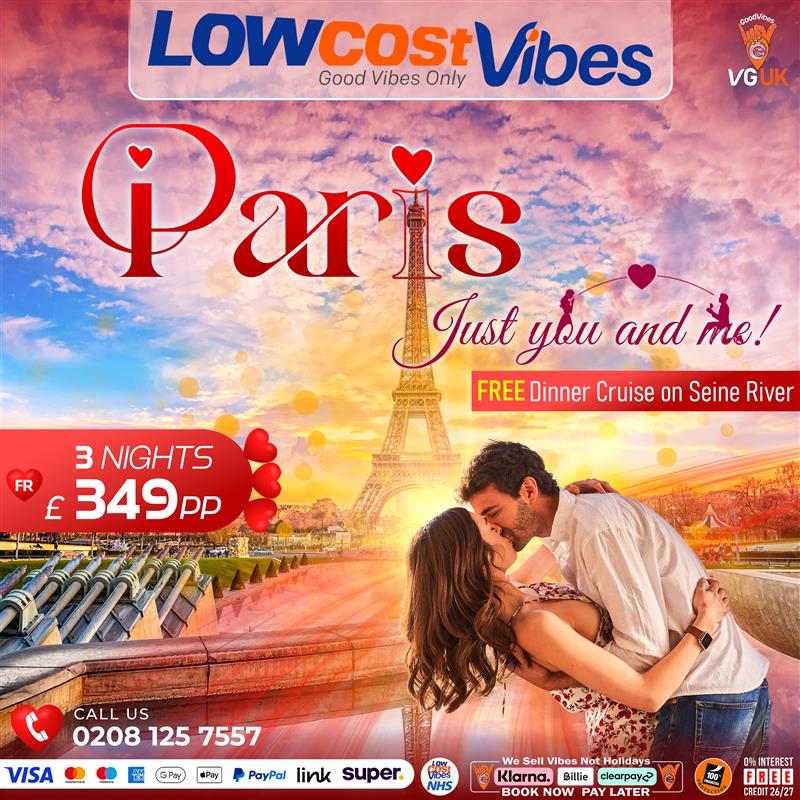
Paris is a logical place to begin a first trip to France. Three or four days are usually enough to see the main attractions without feeling rushed.
There is, of course, the Eiffel Tower, the Louvre, Notre-Dame, Montmartre and the Seine, but some of the most enjoyable experiences can come from simply walking between neighbourhoods, stopping at cafés and exploring streets away from the busiest tourist areas.
For a wider look at the country’s highlights, see our guide to the best places to visit in France.

Lyon
Lyon offers a different perspective on France. Its historic centre, food culture and location between northern and southern France make it a great addition to a longer tour.
The city itself was worth visiting for its old-fashioned French cuisine and markets.

Provence
One of the places where a slower pace can make the biggest difference is Provence.
Staying several nights in one base is often more practical than changing hotels every night during a road trip through Provence. A car also makes it easier to reach small villages, markets and attractions across the countryside.
The area is ideal for food, wine, scenery and early or late-summer holidays.

French Riviera
Nice is a good base for visiting the Côte d’Azur. Antibes, Menton, Cannes and Èze can also be linked together easily without having to change accommodation constantly.
The Riviera was quite a popular place in the peak summer season, so May, June and September were ideal months to visit.

Normandy
Normandy combines history, seaside scenery and rural landscapes. Some of the best places to visit include the D-Day beaches, Bayeux and Mont Saint-Michel.
A vehicle makes it easier to travel between smaller towns and reach attractions that are less accessible by public transport.

Loire Valley
The Loire Valley was ideal for visitors who wanted to visit castles, gardens and the countryside.
An itinerary that tries to visit too many châteaux in a limited time can feel rushed. The experience is often better when fewer castles are visited and more time is given to the surrounding villages and countryside.

Brittany
Brittany is very different from southern France. Its rugged coastline, historic towns and seafood make it a particularly enjoyable road-trip destination.

The Alps: For Mountains and Outdoor Activities
The French Alps offer a completely different type of holiday.
They are a major destination for skiing and other winter sports, while the warmer months are ideal for hiking, cycling and visiting mountain villages and lakes.
Two places stand out as obvious choices: Annecy and Chamonix, but beyond that, the Alpine region offers a wealth of possibilities for those with time to spare.

More France Holiday Destinations Worth Considering
Travellers who had already visited Paris and the major tourist areas could look further afield.
| Destination | Best suited to |
| Bordeaux | Wine, food and architecture |
| Burgundy | Wine, gastronomy and countryside |
| Champagne | Champagne houses and vineyards |
| Alsace | Villages, wine and Christmas markets |
| Corsica | Beaches, hiking and road trips |
| Dordogne | Villages, castles and countryside |
| Basque Country | Food, beaches and culture |
| Toulouse | City breaks and southwest France |
| Strasbourg | History, culture and Christmas markets |
| Marseille | Mediterranean coast and the Calanques |
These destinations also make it possible to spread a holiday across different regions rather than focusing the entire trip around Paris.
For a more comprehensive overview of the different regions, see France holiday destinations.
Things to Do in France
Some of the most enjoyable experiences in France do not involve a major attraction. Exploring local markets, trying regional food and wandering without a strict schedule can be just as memorable as visiting famous landmarks.
Explore French Markets
Visiting local markets is a great way to experience different parts of France. Markets in Provence, Normandy and Alsace each have their own character and offer a chance to discover local produce and regional specialities.

Try Regional Food
French cuisine varies considerably from one part of the country to another. Lyon is known for traditional dishes, while Provence is ideal for Mediterranean flavours and fresh produce from its local markets.

Visit Châteaux
The Loire Valley is the obvious choice for château visits. Rather than trying to see as many castles as possible, it is often more enjoyable to visit fewer and spend more time exploring the surrounding countryside.

Take a Train Journey
Train journeys are particularly convenient between large cities. They avoid traffic and parking hassles while giving travellers more time to relax during the journey.

Take a Road Trip
Outside the big cities, a car can be especially valuable. Provence, Normandy, Brittany and parts of the Dordogne are well suited to road trips and offer greater flexibility for exploring smaller towns and rural areas.
Planning a driving holiday? Explore our guide to the best France road trip routes for route ideas, recommended stops and practical tips for exploring France by car.
Leave a Day Empty
Leaving some time unplanned may sound unusual when building an itinerary, but it can be one of the best France holiday ideas.
There is no need for every hour of a holiday to be planned.
Time spent over a long breakfast, browsing a market, taking a walk, enjoying a leisurely lunch or simply having an afternoon with nowhere specific to be can become one of the most memorable parts of a trip.
France offers far more than famous landmarks. For a deeper look at experiences worth adding to your trip, explore our guide to things to do in France.
When Was the Best Time to Visit France?
The best time to visit France depends heavily on the destination and the type of holiday. This France Travel Guide uses the main seasons to help with practical planning.
| Destination | Months that worked particularly well |
| Paris | April–June, September–October |
| Provence | April–June, September |
| French Riviera | May–June, September |
| French Alps | December–March for skiing; June–September for hiking |
| Normandy | May–September |
| Bordeaux | May–October |
Spring
Spring is a popular time for city breaks and countryside trips. The weather is generally comfortable for walking, while many areas are quieter during this period than they are in the peak of summer.
Summer
Summer brings long days, warm weather and plenty of opportunities for beach holidays and outdoor activities. However, demand is higher during this period, and accommodation costs can increase in popular destinations.
Autumn
September is one of the most pleasant months to visit Provence and France’s wine regions. Temperatures are generally more comfortable, with a calmer atmosphere than during the hottest weeks of summer.
Winter
Winter offers a very different side of France. The Alps are a great choice for skiing, with cities like Chambéry giving easy access to the slopes, while Alsace is particularly popular for its Christmas markets and festive traditions.
For month-by-month planning, see France holidays by month.
How Much Did a France Holiday Cost?
The total expenses were much affected by destination, season and accommodation.
In 2025, France is expected to welcome 102 million foreign tourists as opposed to 100 million in 2024. Atout France estimates that international tourism receipts amounted to €77.5 billion, 9% more than in 2024. (atout-france.fr)
Source: Atout France — 2025 tourism review
Those figures represented France’s overall tourism industry rather than an individual holiday budget.
For practical planning, these approximate daily ranges were useful:
| Travel style | Approximate daily budget per person |
| Budget | €90–€130 |
| Comfortable | €150–€270 |
| Higher-end | €300+ |
These were estimates of planning costs and not actual costs. The Riviera and the Alps, and perhaps Paris, may be very pricy at certain times of the year.
Typical food spending can include:
- Bakery breakfast: around €3–€8
- Casual lunch: around €10–€20
- Mid-range restaurant: around €20–€40+
- Fine dining: often €100+
A mix of restaurants and bakeries, markets and casual cafés can help keep food costs manageable overall.
Flights and Airports
The most convenient airport depended on the itinerary.
- Paris Charles de Gaulle / Orly: Paris and northern France
- Nice Côte d’Azur: French Riviera
- Marseille Provence: Provence and Mediterranean coast
- Bordeaux: Bordeaux and surrounding wine areas
- Strasbourg: Alsace and northeastern France
For longer trips, an open-jaw flight sometimes worked better than returning to the original airport.
Where to Stay in France
The best accommodation choices are those that fit naturally with the route.
In cities, staying close to a Metro, tram or railway station can minimise unnecessary travel. Guesthouses, gîtes and countryside properties can be better bases for exploring rural areas.
Following were the points worth checking prior to booking:
- Location
- Public transport
- Parking
- Air conditioning
- Cancellation conditions
- Check-in times
- Tourist tax
- Whether breakfast was included
Staying several nights in one place can also reduce the fatigue associated with longer journeys.
How Many Days Did I Need for France?
The ideal duration depends on how much of the country you want to experience.
| Trip length | Suggested approach |
| 3–4 days | Paris |
| 5–7 days | Paris or one region |
| 7–10 days | Paris + one region |
| 10–14 days | Two complementary regions |
| 14+ days | Slower regional road trip |
Seven to ten days worked particularly well because it allowed more than one part of France to be experienced without spending the entire holiday travelling between hotels.
7-Day France Itinerary
For a one-week trip, keeping the route simple worked best.
| Day | Destination | Suggested focus |
| 1 | Paris | Arrival and neighbourhood exploration |
| 2 | Paris | Major sights and museums |
| 3 | Paris | Markets, cafés and local areas |
| 4 | Loire Valley or Normandy | Travel to the region |
| 5 | Loire Valley or Normandy | Main attractions |
| 6 | Loire Valley or Normandy | Villages and countryside |
| 7 | Paris | Return and departure |
Either Normandy or the Loire Valley worked better than trying to fit both into seven days.
10-Day France Itinerary
Ten days gave more flexibility and allowed a combination of cities and countryside.
| Days | Destination | Focus |
| 1–3 | Paris | Landmarks, museums and food |
| 4–5 | Lyon | History and gastronomy |
| 6–7 | Provence | Villages, markets and countryside |
| 8–10 | Provence / Riviera | Coast and relaxation |
Trains worked well between Paris and Lyon, while a rental car became more useful once the itinerary reached Provence.
For alternative routes, see France itinerary ideas.
Getting Around France
Trains
For long-distance travel between cities, trains were the preferred mode of transportation. They saved time with respect to driving, especially with regard to parking.
Rental Cars
Once outside the big cities, a rental car can be much more useful. The countryside of Provence, Normandy, Brittany and some parts of the Dordogne is generally easier to explore by car.
What I Booked Before Travelling
The experiences most likely to sell out were the ones worth booking first.
Booked ahead:
- Popular accommodation
- Long-distance trains
- Timed-entry attractions
- Rental cars
- Michelin-starred restaurants
- Popular tours
- Seasonal activities
Left flexible:
- Casual cafés
- Markets
- Neighbourhood walks
- Smaller museums
- Some meals
- Unplanned stops
That balance provides enough structure while still leaving room for spontaneous plans.
France Holidays 2026: Events and Dates
For anyone researching France holidays 2026, this France Travel Guide can help with the main events and dates to consider when planning.
As of 26 August 2026, both the 2026 Tour de France and Tour de France Femmes had already taken place.
| Event | 2026 dates | Location | Why it mattered |
| Tour de France | 4–26 July | Barcelona → France → Paris | Major international cycling event |
| Tour de France Femmes | 1–9 August | Lausanne → France → Nice | Major women’s cycling event |
| Normandie Impressionniste | 20 March–20 September | Normandy | Art and cultural programme |
| Festival Photo La Gacilly | 1 June–4 October | La Gacilly, Brittany | International photography festival |
The official Tour de France route confirmed that the 2026 men’s race ran from 4–26 July, beginning in Barcelona. The final stage finished in Paris. (Tour de France)
The official Tour de France Femmes route confirmed that the 2026 race ran from 1–9 August, beginning in Lausanne and finishing in Nice. (letourfemmes.fr)
Practical Lessons From My France Trips
A few simple decisions consistently make France holidays easier:
- Fewer destinations meant less time spent packing and travelling.
- Staying several nights in one place was more relaxing.
- Trains worked particularly well between major cities.
- Cars were most useful outside urban centres.
- Booking accommodation early helped during busy periods.
- September offered an excellent balance in several regions.
- Markets and bakeries provided good-value food options.
- Checking local events helped avoid unexpectedly busy dates.
- Leaving some free time made the itinerary feel much less rushed.
FAQs About France Holidays
Do I need to book restaurants in France in advance?
For popular restaurants, Michelin-starred restaurants and well-known places in Paris or Lyon, booking ahead was sensible. Casual cafés and bakeries were usually easier to visit without reservations.
Is tipping expected in France?
Service was generally included in restaurant prices. A large additional tip was not normally necessary, although rounding up or leaving a small amount for particularly good service was appreciated.
What was the tourist tax in France?
Many destinations charged a local tourist tax on overnight accommodation. The amount varied according to the destination and accommodation category, so checking the booking conditions before travelling was useful.
Did shops and restaurants close during the afternoon?
Some smaller independent businesses, particularly outside major tourist centres, closed for part of the afternoon or operated shorter hours. Checking opening times prevented unnecessary journeys.
What were Sundays like in France?
Opening hours varied. Major attractions often remained open, while smaller independent shops and some restaurants sometimes closed or reduced their hours.
Did I need cash in France?
Cards are widely accepted during trips, especially in cities, hotels, restaurants and larger shops. Carrying a small amount of cash is still useful for markets and smaller purchases.
Could I drink tap water in France?
Yes. Tap water was generally safe to drink. In restaurants, asking for “une carafe d’eau” was the usual way to request tap water.
Which French phrases were useful?
A few basic phrases made everyday interactions easier:
- Bonjour — hello
- Merci — thank you
- S’il vous plaît — please
- Excusez-moi — excuse me
- Parlez-vous anglais ? — do you speak English?
- L’addition, s’il vous plaît — the bill, please
Useful France Travel Resources
For current information, official sources were the most useful when checking statistics, event dates and travel information.
- France-Visas – Check visa requirements and apply for a French visa.
- SNCF Connect – Plan and book train journeys across France.
- RATP – Plan public transport journeys around Paris.
These resources were particularly useful for checking information that could change from year to year.
Final Thoughts
France is much easier to enjoy when there is no pressure to see everything in a single trip.
Paris provides the classic first experience, while Provence, Normandy, Brittany, the Loire Valley and the French Riviera each offer something completely different. The most enjoyable itineraries give each destination enough time to settle in rather than moving every day.
For a first visit, Paris combined with one additional region worked particularly well. Longer trips allowed for a mixture of cities, countryside and coast.
The biggest lesson is simple: seeing less can allow you to experience more. Slower mornings, longer stays, local food and a little unplanned time can make a journey more memorable than trying to tick every attraction off a list.
For more planning advice, this France Travel Guide provides a useful starting point before moving on to detailed destination and itinerary guides. It is also worth checking the latest France Travel Guide information before booking around seasonal events, transport changes and regional opening times France travel guide.