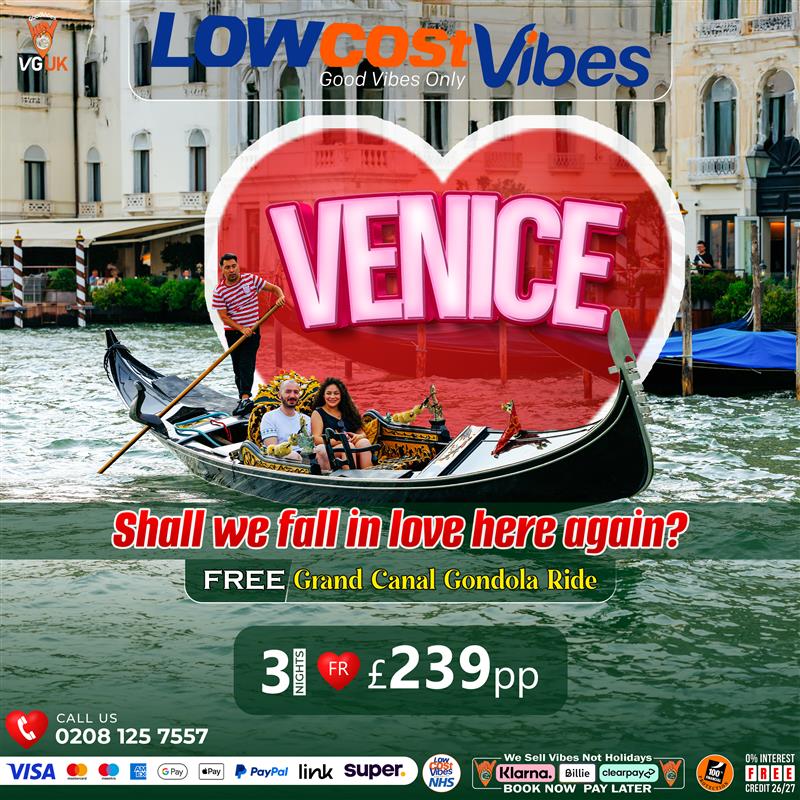
How to travel on a budget? Low Cost Vibes is the brand that made my dreams of travelling the world come true through affordable, unforgettable trips. If you are wondering how to travel cheaply, you have come to the right place. I’m a travel expert at Low Cost Vibes, and my experience travelling across cities on a shoestring over the past ten years has taught me that making intelligent decisions, planning, and taking a little curiosity can save you thousands while still providing the experiences you’re looking for. The following is my bare-bones, real-life playbook, everything in my own words, because nothing beats first-hand experience.
The Main Aspects of How to Travel on a Budget
Below I will discuss the fundamental rules that have made my travels cheap. These are the building blocks that any new or experienced traveller can borrow to ensure minimal expenditure while still experiencing various cultures.
Budget Travel Mindset
The first step to how to travel on a budget is to shift your perspective from “I need to spend” to “I need to create value.” I once believed a £372 airline ticket was a bargain. After one week of hostel living and local market food, I realised it was the food and transport that had saved me, rather than the flight. Flexibility is your greatest ally: I’ve taken flights that departed at 4 am and landed at 8 am just because the cost was 30% cheaper than a flight on a Sunday afternoon.
Living with value rather than luxury means making the necessary choices. I would not choose a 5-star hotel, but a clean, safe hostel dorm or a shared apartment with a kitchen. I place more emphasis on experiential benefits, such as a hike in the Dolomites at sunset or a street-food tour in Hanoi, rather than on the luxuries of a fluffy pillow.
Embracing a simple travel style also means valuing downtime: walking the streets of a city is much more enriching (and less expensive) than a bus ride to a sightseeing spot.
In practice, this attitude saved me approximately £950 on my initial travel plan for a two-month holiday in Southeast Asia by shaping my food, transport, and accommodation decisions. When you view each pound as a tool for enrichment, not a liability, you are much more likely to make money-saving choices that may fully satisfy your spirit of wanderlust.
Low‑Cost Travel Planning
A clear, realistic budget sets the foundation for budget travel tips. I begin by determining the overall sum I can comfortably spend and dividing it into portions: transport, accommodation, food, activities, and an emergency fund (I strive to allocate 10% of the total). I then find out the average prices of each category in my destination. Cheaper flights, hostels, or shared apartments can offset higher food costs.
Early planning is important, but flexibility matters just as much. I usually book flights and hotels 3-4 months in advance, although I always leave a one-week gap to take advantage of last-minute offers. In this way, if an airline launches a flash sale or a hostel offers a free night with a five-night booking, I can pounce on it.
The other practice I have conditioned myself on is keeping a daily spending record in my phone budgeting app to make sure I am not spending too much on a single aspect and to reduce spending elsewhere. For example, when I spend too much on food, I can either eat out more cheaply or skip an expensive event.
During my travels, I maintain my budget by adopting these planning steps as a routine to avoid the usual overspending traps.
Cheap Ways to Travel (Flights)
When it comes to cheap ways to travel, the airline industry is a goldmine of hidden savings. I usually travel mid-week, since the vast majority of business travellers travel on weekends; therefore, Tuesdays and Wednesdays tend to be the cheapest days to travel. Avoiding peak seasons dramatically reduces flight costs.
Other airports usually provide high discounts. On my visit to Rome, I landed at a secondary airport 30km away and saved £56 on the flight. To travel locally by bus, I pre-reserved local transportation passes for short hops between the alternate airports and the city centres.
Travelling carry-on only is non-negotiable for me. Checked bags often cost £26–£37 per flight, and numerous low-cost airlines also charge extra for full-size carry-on bags, but a small personal bag is normally complimentary. Travelling with a single-packed bag also speeds up the airport security process, and I do not feel the anxiety of lost bags.
Lastly, do not buy the airline extras: no extra legroom, no seat choice, no priority seating. I have also realised that the additional services are hardly worth the money when I am concerned with getting to my destinations both on time and on a tight budget.
Budget‑Friendly Accommodation

Accommodation usually consumes most of the travel budget. I have tried each form of accommodation, hostels, guesthouses, budget hotels, shared apartments, and even Couchsurfing. The thing I remember is that the house is a transitional place, not a holiday house.
Hostels are ideal when one is alone or needs to meet people. They are clean, safe, and usually provide free breakfast or cooking facilities. I’ve stayed in highly rated hostels that cost less than 3-star hotel standards in strategic locations.
Guesthouses and budget hotels, particularly those outside city centres, are quieter and offer lower rates. I can save a lot of money on accommodation and transportation by staying only a few stops from the city centre and riding the trains.
Shared apartments on platforms like Airbnb or another local rental organisation are cheaper than hotels, particularly when you are travelling with a friend or can share a room. Some hostels offer ultra-basic bed options like a sofa bed, a capsule, or heavily discounted last-minute beds.
Lastly, I always look for promotions, stay three for two, or free breakfast. Guest reviews can also reveal hidden discounts by checking them and even by simply making a reservation with the property.
Cheap Transportation Tips

Budget travel around the world relies heavily on public transport. In cities such as Barcelona, Istanbul, or Mumbai, using buses, trams, or the metro is much cheaper than taking a taxi. A prepaid travel card can be very beneficial, offering a superior rate compared to individual ride ticket purchases.
Walking is the best way to save money and have a better idea of what a city is like. I will always make an effort to walk at least 20 minutes between stations when using public transport. Walking also keeps me fit and helps me notice things I might otherwise miss.
Ridesharing apps and taxis are convenient, though they are costly, particularly in big cities. I use them in the late evenings when I am going on a ride or with heavy luggage. Shared taxis are common in most areas and operate on fixed routes, with approximate costs similar to those of a single-occupancy taxi but usually lower.
The other trick is using rideshare apps for long distances. In Turkey, I had to reserve a shared minivan to Ankara, and it was even cheaper than the long-distance buses and surprisingly comfortable.
I can afford to spend less than £8 a day on transport by using public transport, walking, or sharing rides with others in most low-cost cities, especially in some regions of Asia and Eastern Europe.
Budget Travel Tips for Food

One of the simplest ways to empty your wallet while travelling is for food, yet it is also one of the most fertile areas of local culture. I’ve spent countless evenings at street-food stalls and local bakeries, and I used to dine like any local, spending a fraction of what a tourist-oriented restaurant would charge.
Eating where locals eat is a gold standard. When I am in Rome, I find a trattoria near the metro. I will go to a market stand in Seoul, where the locals are not ready to leave. Fast, cheap and yummy meals are offered at street markets, food courts and bakeries.
Visiting local markets to get fresh produce will help me prepare simple meals when I have access to a kitchen. During a backpacking trip in Spain, I purchased fresh tomatoes, mozzarella, and bread at a market and spent about what I would have spent on a restaurant lunch.
It is freeing to cook part of the meals. Also, in a hostel, I can boil water, sauté some vegetables, and have a meal for £1.60. Hosting a potluck with other travellers is also a social experience for me during the cooking process.
Lastly, lunch is usually less expensive than dinner. Most bento stores in Tokyo sell full meals for about £4, and even a dinner would be considered expensive at that price.
Cheap Travel Hacks
The best cheap travel hacks fall into the simplest category you can easily forget: travel at night, bring a refillable water bottle, avoid currency exchange machines, track your daily expenses, and book locally.
Overnighting saves you a night’s stay and provides you with fresh legs the following day. I’ve taken a night bus from Barcelona to Madrid and slept on the seat, saving a hotel night.
A reusable water bottle will keep you hydrated, so you will not have to purchase bottled water. It is also ecologically safe.
Airport exchange rates are usually very costly. I never leave without exchanging money at my bank, or I withdraw money from an ATM with no foreign exchange charges.
Daily expenditure monitoring, whether through a spreadsheet or a budgeting application, helps me stay accountable to my boundaries. I have a daily limit, and I would observe it.
It is also cheaper to book locally, since you bypass the markup by go-betweens. I have purchased a physical local museum pass, which will save me half the money.
Affordable Travel Activities
Your itinerary should not be an addition of what you think is affordable travel, but an integral part of the itinerary. Given that free walking tours are as fun as any paid ones, they offer a historical overview of the city.
Parks and viewpoints are universal delights that rarely cost more than a small entry fee. I have visited the Experimentarium in Copenhagen, where admission was free on certain days, reduced by a large amount with the student rate on other days, and minimal with the adult fee.
Free weekdays or reduced entry costs are usually available at many museums on specific days of the week. These include free Tuesdays in Paris or European Museum Nights. I have maximised my exposure to culture by planning my visit around such days.
The least expensive activity is exploring the local neighbourhoods. I explored Kreuzberg in Berlin, where I liked street art, cafes, and a kind of community that would have cost me no more than my time.
Lastly, local festivals, farmers’ markets, or performances are usually free and give you a taste of life in the area that you cannot get at paid attractions.
For reliable, up-to-date information on entry requirements, safety, and local regulations that can help travellers avoid unnecessary expenses, refer to the UK government’s official foreign travel advice.
Travelling on a Budget in Europe
Europe is full of cheaper places, though you should avoid the summer high season. I have visited Eastern and Central Europe for two months: in Romania, Hungary, Poland, and Czechia, the price levels are not high, and the landscapes are beautiful.
Conversely, by picking such areas and travelling months other than July and August, you will save up to 30–40% on flights and accommodation. I have also discovered that trains between these nations are cheap when booked in advance or with a Eurail Flexi pass.
I usually take long-distance buses rather than flying through cities. FlixBus and Eurolines offer impressive prices, and the journey itself can be part of the experience.
A prolonged stay in fewer cities allows you to settle in, find discounted hostels, and reduce the time spent commuting between locations. I have been in Krakow for 2 weeks, and the hostels there offered me a week-long discount.
With a local SIM card and a city transport pass, your daily transportation budget stays low.
Lastly, I will always seek free experiences. To discuss, I have visited the Old Town of Riga, which is free to explore and is listed as a UNESCO World Heritage Site.
Budget Travel Around the World
The philosophy of low-cost tourism worldwide is to travel slowly, take fewer flights, explore more locally, and stay longer in a single location.
Weekly or monthly rent cuts rental rates by a large margin. I have spent one month in a shared apartment in Chiang Mai at about £200, compared to about £ 30 a night in a hotel.
Cooking more often saves money, £0.75–£1.60 per meal at street stalls vs £2 – £3 a day cooking groceries. I’ve also discovered that buying local ingredients gives me a new culinary adventure.
Limiting flights also keeps my carbon footprint very small. I usually mix road travel and trains with one or two long-distance flights, thereby saving on airfare.
I also take advantage of stay-and-shop offers, which let you get a longer stay at a discounted rate, often offered by hostels and guesthouses.
The result? A two-year world tour, which cost me £11,800–£12,000, is half the cost of a similar trip done through a regular travel agency.
Money Management While Travelling
Budget travel is dependent on financial discipline. I use a simple spreadsheet or an app to track expenses daily. This habit prevents me from overspending on an expensive activity that ends up compelling me to forgo meals.
Evading foreign transaction charges is of great importance. With a card that has no foreign transaction fee, I will save up to 2% on each purchase, which is not a big amount but will accumulate with time.
Extra expenses like transportation charges, air-conditioned cabs, or even a water bottle can crunch a budget. I research reviews and ask locals about these extras before committing.
I have an emergency wallet with enough money for 1 week, and my major cards in a separate wallet. This will reduce the chances of losing all my money in one shot.
Lastly, I have allocated a monthly budget depending on my itinerary and adhered to it. I make adjustments to my future expenses by comparing planned and actual expenses and tracking them.
Common Budget Travel Mistakes
Even experienced budget travellers cannot avoid the pitfalls: rushing, planning too much, booking too early, and forgetting daily costs.
Travelling at a high rate would compel you to buy last-minute flights or accommodation, which would be very expensive. Rather, make sure you have a loose schedule you can adjust on the spot.
Excessive planning may make the schedule too strict, leaving no room for serendipity. I suggest a basic plan that has buffer days in case of unplanned deviations.
And it is easy to get everything booked too early, before you get a higher price. The advantage of booking 3-4 months ahead is that it is cheaper; however, it can still be upgraded, or a cheaper last-minute deal is available.
Disregarding everyday costs will cause a budget blowout. I have an average daily spending goal, and I document all the purchases. In case I spend excessively, I reduce the following day.
Learning from these mistakes has allowed me to travel to 20 countries on a £7,420 budget, something that would have seemed impossible a few years ago.
Budget Travel Safety
Staying safe while travelling on a budget is achievable with a few key practices. Check a place to stay and read reviews from previous customers. I avoided places too crowded with tourists, especially at major ferry ports, where pickpocketing is common, and instead settled into a hostel in Sultanahmet.
Always read recent reviews. A place that feels safe today could become a hotspot tomorrow. I cross-reference to have current feedback.
Trust your instincts. When something does not work, get out. I have not used a cheap tour that was supposed to be an exclusive experience because my instinct told me it would be a bad experience.
Be cautious of prices that seem too low. Very low accommodation prices in big cities (such as about £4 per night) must be checked thoroughly, as very low prices may sometimes mean poor conditions or a bad location. Always book through trusted platforms or, preferably, directly with the property.
Lastly, keep your valuables secure. Use a money belt or a hidden pouch, and carry only what you need day to day.
Personal Budget Travel Rules
My budget-travelling regulations are not very complex, yet they do wonders. I do not live to spend; I focus on things that add value to my life.
I walk before transport. A walk in a short period of time will show the unknown cafes, markets, and alleys which a taxi will pass. I never follow trends but value. When there is a good atmosphere and the price is low at a hostel, I would be willing to stay there, even though it might not be the latest.
I value experiences more than pictures. Some of the most outstanding photographs were taken spontaneously, not in a planned setting.
I keep my budget tight and my heart open. My spending constraints allow me to make room to explore new experiences.
These were the rules that dictated my recent visit to Vietnam: I stayed in very simple shared guesthouses, which cost around £4–£8 per night in some cheap destinations, dined at the street stands which were about £0.74–£1.60, and used a day bus pass worth £0.74, spending under £24 a day and having unforgettable memories.
Final Thought
As a travel expert in Low Cost Vibes, the art of travelling within a budget is not one of denial, but rather a matter of being purposeful, making wise choices about what is important, what is unnecessary, and how to live within these limits. How to travel on a budget? With the right attitude, careful planning, and learning the tips and tricks of cheap flights, any other place can become a great adventure, regardless of how low your budget is. Bon voyage!
FAQs on How to travel on a budget
The best way is to combine long‑haul budget airlines with land transport such as buses or trains. Book flights 3–4 months ahead and use local transport passes.
Withdraw foreign cash at a bank before you travel, or use an ATM that offers no‑fee withdrawals. Avoid kiosks at the airport.
Yes, if you choose reputable hostels with good reviews. Look for ones with secure lockers, 24‑hour reception, and a friendly community.
You can often upgrade for a small fee. Many budget airlines let you choose a seat for free or for a nominal cost.
Use a budgeting app like Trail Wallet or Goodbudget, or a simple spreadsheet. Record every purchase, and review it daily.